The UAE’s Strategic Shift: Why the Pivot to Asia Is a Survival Necessity

The geopolitical landscape of the Middle East is shifting beneath our feet. While the world watches the friction of the U.S.-Iran conflict, the United Arab Emirates (UAE) is quietly-and brilliantly rewriting its economic destiny. It’s no longer just about being a bridge between East and West; the U AE is fundamentally deciding that its future lies in the East. Navigating Beyond the Shadow of Regional Conflict In my view, the UAE’s recent distancing from traditional blocs like OPEC and the GCC isn't just a policy change; it’s a masterclass in strategic autonomy. For decades, the Gulf states have been viewed through the lens of Western dependency. However, the recent waves of drone and missile threats have proven that the UAE can no longer afford to be a bystander in a -dangerous neighborhood. By pivoting to Asia, the Emirates is seeking strategic depth that the West simply cannot provide in the current climate. Why the UAE’s Exit from OPEC Was a Bold Power Move The decision to leav...

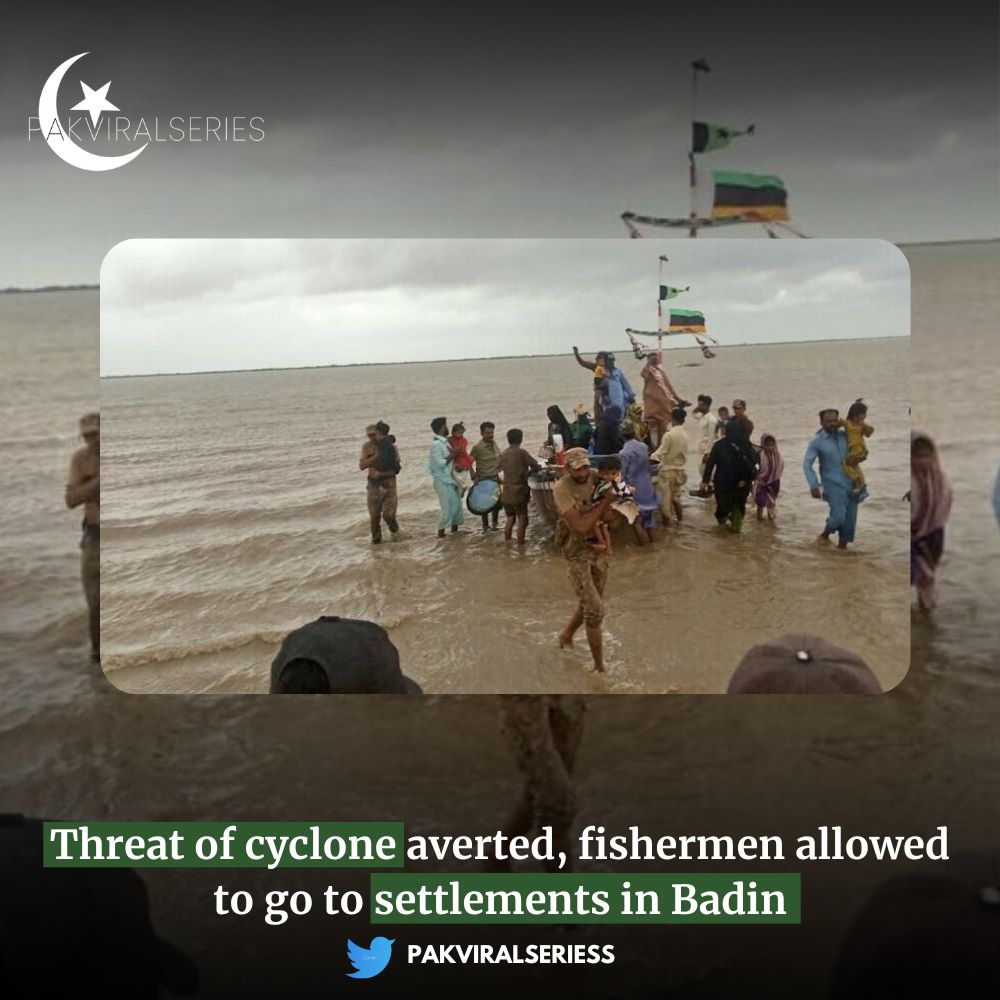
Fishermen Allowed to Return Home as Cyclone Biparjoy Threat Subsides


In a sigh of relief for the coastal communities, Deputy Commissioner Badin, Agha Shahnawaz, has announced that fishermen can now safely return to their villages. The threat of Cyclone Biparjoy in the Arabian Sea has averted, and the strong winds that were blowing along the coastal belt have finally ceased.

As the storm weakened and moved away from the region, the weather in the urban areas of the coastal belt has transformed into a pleasant and partially cloudy climate. The fears and concerns regarding the cyclone have subsided to a large extent, bringing a sense of relief to the affected communities.

The Deputy Commissioner, acknowledging the improved weather conditions, has given the green light for fishermen to resume their normal activities and return to their villages. This decision comes as a positive development, enabling the fishermen to regain their livelihoods and reconnect with their families.

The coastal regions, including Badin, had been on high alert, with authorities taking proactive measures to ensure the safety of residents. The timely evacuation of people from vulnerable areas and the coordination efforts of the concerned authorities deserve recognition for their stellar work during this critical time.

The return of the fishermen to their villages marks a significant step towards normalcy in the region. These resilient individuals, who brave the perils of the sea to provide for their families, can now resume their livelihoods and contribute to the local economy once again.

The incident serves as a reminder of the ever-present challenges faced by coastal communities due to climate change. Cyclones and extreme weather events continue to threaten vulnerable regions, highlighting the urgent need for effective disaster preparedness and mitigation strategies.

As we navigate the changing climate landscape, it is crucial for governments, communities, and individuals to prioritize climate action. Sustainable development practices, investment in resilient infrastructure, and early warning systems can help minimize the impact of natural disasters and safeguard lives and livelihoods.

Let us celebrate the resilience of the coastal communities and extend our support to those affected by the cyclone. Together, we can work towards building a more climate-resilient future for all.

Comments

Popular posts from this blog

Democracy in Action: The Return of Nawaz Sharif and Calls for Prompt Elections

  In a dramatic turn of events, former Prime Minister Nawaz Sharif’s return to Pakistan after four years in self-exile has sparked discussions on the political landscape and the urgency for upcoming elections. Pakistan Peoples Party (PPP) Chairman Bilawal Bhutto-Zardari, addressing the Supreme Court Bar Association of Pakistan, emphasized the need for timely polls in the wake of the weekend’s events. The Call for Prompt Elections Bilawal Bhutto-Zardari’s statement, although not explicitly naming Nawaz Sharif, underlines the significance of recent developments and their potential impact on the political timeline. The call for “no further delay” in elections resonates with the idea that a swift electoral process is essential for the democratic process to unfold smoothly. Nawaz Sharif’s Return: A Game-Changer? Nawaz Sharif’s return to Pakistan on October 21 marked a pivotal moment in the nation’s political dynamics. After completing legal formalities in Islamabad, Sharif addressed a ...

No Ban On Airing Imran's Speeches, Pemra Tells LHC

 In a recent development, the Pakistan Electronic Media Regulatory Authority (Pemra) clarified to the Lahore High Court that there is no longer a ban on broadcasting former Prime Minister Imran Khan's speeches. This revelation came during the hearing of a petition filed by Imran, who had challenged Pemra's decision to prohibit satellite TV channels from airing his speeches and press talks. The initial ban was imposed swiftly after Imran criticized former army chief Qamar Javed Bajwa, accusing him of shielding current rulers in alleged corruption cases. Imran argued that Pemra's ban was fueled by vengeance, leading to a legal battle that spanned eight hearings. During the recent court session, Justice Shams Mehmood Mirza stressed that Pemra should refrain from pressuring TV channels on the concerns raised by the petitioner. Surprisingly, Pemra's counsel, Haroon Duggal, stated unequivocally that there is no existing ban on broadcasting Imran Khan's speeches. This reso...

Has Social Media Become the Loudest Voice for Justice in the Israel-Palestine Conflict?

  In a world filled with turmoil and suffering, social media emerges as a powerful force challenging narratives, demanding justice, and giving voice to the voiceless. The recent conflict in the Middle East has not only exposed the harsh realities faced by the Palestinians but also highlighted the evolving role of social media in shaping global opinions. The Unheard Voices of Palestine: A Cry for Justice As violence escalated, Palestinian voices struggled to be heard amidst a media landscape seemingly biased against them. The article delves into how mainstream Western media outlets inadvertently became mouthpieces for one side, prompting a surge in social media activism. Social Media as the Unfiltered Truth The narrative unfolds, revealing the dichotomy between mainstream media and the unfiltered truth found on social media platforms. Gripping accounts, poignant images, and raw emotions flooded these platforms, contrasting starkly with the restrained coverage from major news outlet...